Top 10 Training Tips to Improve Your Athletic Performance in Any Sport
Improving athletic performance is a goal shared by athletes at every level, from beginners to professionals. Whether you participate in football, basketball, running, swimming, or any other sport, your success depends on how well you train your body and mind. Effective training is not only about working harder but also about working smarter. With the right techniques, athletes can build strength, improve endurance, increase speed, and reduce the risk of injuries.
This article explores the top 10 training tips to improve your athletic performance in any sport. These practical strategies can help you reach your full potential and perform at your best.
1. Set Clear and Realistic Goals
One of the most important steps in improving athletic performance is setting clear goals. Goals give your training direction and motivation. Without a target, it becomes difficult to measure progress or stay committed.
Start by defining what you want to achieve. For example, you may want to run faster, increase strength, improve agility, or enhance endurance. Make sure your goals are realistic and measurable. Instead of saying, “I want to get better at running,” set a specific goal such as “improve my 5-kilometer time by two minutes within three months.”
Breaking larger goals into smaller milestones helps maintain motivation and allows you to track progress more effectively.
2. Follow a Structured Training Plan
A structured training program ensures that you train consistently and efficiently. Random workouts may help in the short term, but a well-designed plan helps athletes build strength and endurance gradually while avoiding overtraining.
A good training plan usually includes:
- Strength training
- Cardiovascular workouts
- Skill practice
- Flexibility exercises
- Rest and recovery days
By following a balanced routine, athletes can improve multiple aspects of performance rather than focusing on just one area.
3. Focus on Proper Warm-Up
A proper warm-up prepares your body for intense physical activity. It increases blood flow to muscles, improves flexibility, and reduces the risk of injury.
An effective warm-up should last about 10–15 minutes and include activities such as light jogging, jumping jacks, and dynamic stretches. Movements that mimic your sport’s actions can also help activate the correct muscle groups.
Skipping warm-ups may save time temporarily, but it can increase the chance of muscle strains and poor performance.
4. Build Strength and Power
Strength training is essential for athletes in almost every sport. Strong muscles improve performance by increasing power, stability, and endurance.
Some effective strength exercises include:
- Squats
- Lunges
- Deadlifts
- Push-ups
- Pull-ups
Athletes should focus on compound movements that work multiple muscle groups simultaneously. Strength training also improves bone density and helps protect joints from injury.
Training with proper technique is crucial to prevent injuries and maximize results.
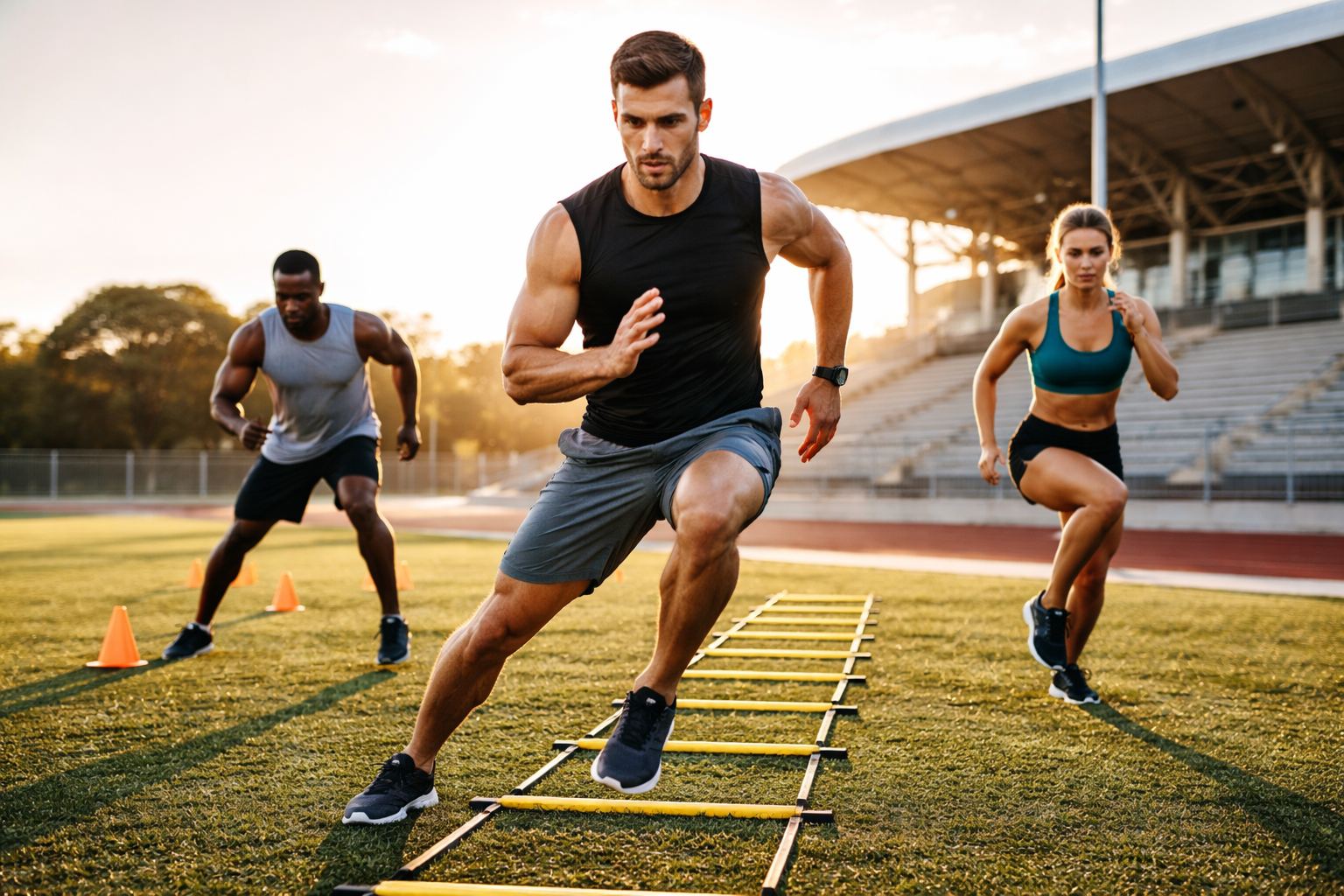
5. Improve Speed and Agility
Speed and agility are important in many sports such as soccer, basketball, tennis, and athletics. These abilities help athletes react quickly and move efficiently on the field or court.
Speed and agility training may include:
- Sprint drills
- Ladder drills
- Cone exercises
- Shuttle runs
These exercises enhance coordination, balance, and reaction time. Regular speed training can make athletes more explosive and responsive during competition.
6. Prioritize Proper Nutrition
Nutrition plays a major role in athletic performance. Your body requires the right nutrients to fuel workouts, repair muscles, and maintain energy levels.
A balanced diet for athletes should include:
- Carbohydrates for energy
- Protein for muscle repair and growth
- Healthy fats for long-term energy
- Vitamins and minerals for overall health
Hydration is equally important. Drinking enough water helps regulate body temperature and prevents fatigue during training sessions.
Eating nutritious meals before and after workouts can significantly enhance recovery and performance.
7. Get Enough Rest and Recovery
Many athletes focus heavily on training but ignore the importance of recovery. Rest is essential for muscle repair and growth.
Overtraining can lead to fatigue, decreased performance, and injuries. To avoid this, athletes should schedule rest days within their training plan.
Quality sleep is also vital. Most athletes need 7–9 hours of sleep per night to allow the body to recover fully. During sleep, the body repairs tissues, builds muscle, and restores energy levels.
Recovery techniques such as stretching, foam rolling, and light activities can also help reduce muscle soreness.
8. Train Your Mental Strength
Athletic performance is not only physical; it is also mental. Confidence, focus, and resilience play key roles in sports success.
Mental training techniques include:
- Visualization
- Positive self-talk
- Goal setting
- Stress management
Visualization involves imagining successful performance in your sport. This technique helps athletes build confidence and improve concentration.
Developing mental toughness allows athletes to stay calm under pressure and perform well during competitions.
9. Track Your Progress
Monitoring your progress helps you understand whether your training program is effective. Keeping a record of workouts, performance times, and improvements can provide valuable insights.
Athletes can track metrics such as:
- Speed or running times
- Strength improvements
- Training frequency
- Recovery time
Reviewing progress regularly allows you to adjust your training strategy if needed. Small improvements over time lead to significant long-term performance gains.
10. Stay Consistent and Patient
Consistency is the key to long-term athletic improvement. Many athletes expect immediate results, but true progress requires dedication and patience.
Training regularly, following your program, and maintaining healthy habits will gradually improve your performance. Even professional athletes achieve success through years of disciplined practice.
Remember that setbacks and challenges are part of the journey. Staying committed and motivated will help you overcome obstacles and continue improving.
Final Thoughts
Improving athletic performance requires a combination of physical training, proper nutrition, mental focus, and consistent effort. By following these top 10 training tips, athletes can enhance strength, endurance, speed, and overall performance in any sport.
To summarize, successful athletes focus on:
- Setting clear goals
- Following structured training plans
- Warming up properly
- Building strength and speed
- Eating nutritious foods
- Prioritizing rest and recovery
- Developing mental toughness
- Tracking progress
- Staying consistent over time
No matter which sport you play, these strategies can help you perform at a higher level and reach your full athletic potential. With dedication and the right approach to training, continuous improvement is always possible.